I have a habit that drives my colleagues absolutely mad. Before I even look at the price of a listing or check the HOA fees, I count the photos of dark, windowless hallways. If a listing features more than one photo of a dim corridor, I immediately lose trust. It tells me the agent is trying to hide something, or worse, they don’t understand that urban buyers aren't just buying "space"—they are buying a lifestyle experience. If you can’t light the entryway, you certainly can’t sell the vision of a sun-drenched Saturday morning in a loft.
After 11 years in this business, I’ve seen hundreds of sellers obsess over the perfect month to list. They wait for the mythical "spring market" as if it were a religious event. But here is the hard truth: in the world of urban condos and industrial lofts, market timing for a home sale is rarely about the calendar month. It is about the intersection of inventory levels, digital presentation, and whether or not your floor plan can answer the modern buyer’s most pressing question: "Where exactly is the laptop going to go?"
lofts with industrial architecture
Beyond the Square Footage Trap
I am tired of hearing agents say, "It’s a 900-square-foot unit, that’s all the value you need." Stop it. Nobody buys a condo because of the square footage; they buy it because of how they imagine their life unfolding inside those walls. If you have a massive open-plan unit but nowhere to carve out a productive work-from-home corner, your "value" just plummeted.
The post-pandemic buyer has different priorities. They are looking for "lifestyle flexibility." They want to know if the space can transform from a home office at 2:00 PM to a dinner party venue at 7:00 PM. If your marketing materials—specifically your photography and video walk-throughs—don't show that versatility, you are leaving money on the table, regardless of what the interest rates or the season are doing.
The Digital-First Reality
Before a buyer ever steps foot in your lobby, they have already walked through your home twenty times on Instagram and Facebook. We are in a digital-first home search era. Fast comparisons are the name of the game. A buyer scrolling through their feed is going to judge your unit against the one they just saw in the next neighborhood over.
If your listing photos feature clutter, generic "staged" furniture that looks like it came from a box, or—heaven forbid—dim, yellow-hued lighting, that buyer is swiping left. You have approximately 1.5 seconds to capture their attention. Your digital presentation isn't a "nice-to-have"; it is the actual product.
The "Laptop Test" in Photography
When I consult on staging, I always ask the seller, "Where would the laptop go?" If you are listing a unit that caters to remote or hybrid workers, your photos must highlight a dedicated workspace. Even if it’s just a small, styled nook with a sleek desk, a plant, and a high-quality task lamp, it communicates to the buyer that their professional life has a place in this home. Last month, I was working with a client who wished they had known this beforehand.. Ignoring this is a failure of strategy.. But here's the catch:
Seasonal Selling Patterns: A Nuanced Look
While I dislike generic advice, we have to acknowledge that seasonal selling patterns do exist. However, they are not fixed laws. They are tide movements. You need to know how to sail accordingly.
Season Market Dynamic Marketing Strategy Spring High buyer activity, high competition. Focus on "lifestyle perfection." You need to look better than the 5 other units in your building. Summer Serious buyers only, family-focused. Emphasize building amenities (pools, terraces) and proximity to neighborhood walkability. Fall "Back to work" rush, professionals returning. Market the "live-work" potential. Emphasize home office capability and cozy aesthetics. Winter Low inventory, low noise. Use this to your advantage. A well-lit, warm, inviting listing stands out significantly when everything else is gray.The Loft Appeal: Selling Character, Not Just Paint
Lofts are a different beast entirely. If you are selling a loft, you are selling light, character, and history. The biggest mistake sellers make is trying to "neutralize" a loft until it looks like a generic suburban condo. Please, don't paint over the brick if it’s in good shape. Don't hide the ductwork with drop ceilings.
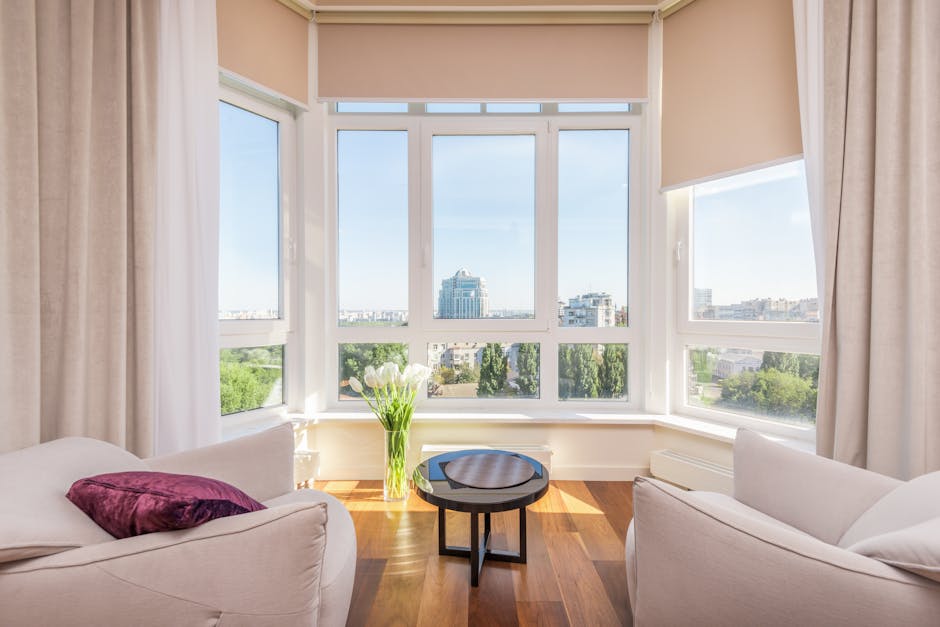
The "loft appeal" is rooted in the open layout. However, that openness can be a marketing challenge. Use your Facebook and Instagram ad spends to showcase the "zones" of your loft. Use video content to show how the light moves through the space from morning to evening. High-end lofts should feel like natural light and home value a sanctuary. If you are selling during a low-inventory month, your loft’s unique character is your biggest leverage point against the "cookie-cutter" competition.
Inventory Levels Impact
Understanding inventory levels impact is more important than knowing what month it is.
- When inventory is high: Your price needs to be sharp, and your photography needs to be professional-grade. This is when "decluttering" moves from a suggestion to a necessity. If your home looks "lived in," the buyer will immediately look at the other ten options that look like a hotel. When inventory is low: You have more pricing power, but you still need to be careful. Don't fall into the trap of thinking you don't need to do the small fixes. Buyers are picky, and even in a seller's market, a unit with "deferred maintenance" (scuffed walls, leaky faucets, mismatched hardware) will sit longer than it should.
Small Fixes That Photograph Better Than They Cost
I keep a running note on my phone of things that change the entire look of a unit for under $500. If you are preparing to list, prioritize these before you spend money on "full staging":
Switch out the light bulbs: Get everything to a consistent 3000K-3500K. Nothing kills a listing faster than a mix of daylight and soft-white bulbs. Update the cabinet pulls: If you have dated, brass-colored, or plastic-feeling hardware, replace it with matte black or brushed nickel. It makes a kitchen look five years newer instantly. The "Greenery" Injection: One large, healthy fiddle leaf fig or snake plant in the corner of a living room adds life that a generic throw pillow never will. Deep clean the window tracks: It’s a detail, but it speaks to how well the home was cared for. Buyers notice the grime you missed.Conclusion: The Strategy is You
At the end of the day, timing your urban condo sale isn't about waiting for the phone to ring in May. It’s about creating a narrative that the current market needs. If you are listing during a slower month, lean into the "quiet luxury" of the space. If you are listing in a crowded market, leverage the visual storytelling of Instagram to highlight the specific nooks and lifestyle amenities that the competition ignored.
Don't be the seller who hides the hallway because they couldn't be bothered to swap a bulb. Don't be the seller who relies on the square footage number to do the heavy lifting. Be the seller who understands that today's buyer is a curator of their own experience. Give them the light, show them where the laptop goes, and prove that your home is the one they've been waiting for, regardless of what the calendar says.